
Most Affordable States for Land: State-by-State Comparison Guide
Land prices vary dramatically across the United States, with some states offering acreage at a fraction of coastal prices. Whether you're seeking property for homesteading, investment, recreation, or future development, understanding where land remains affordable helps stretch your budget. This comprehensive guide examines land costs across America's most affordable states.
Factors Affecting Land Affordability
Before examining specific states, understanding what drives land prices helps interpret the data. Population density, economic development, climate, water availability, and agricultural productivity all influence land values. Remote areas with harsh climates typically offer the lowest prices.
Property taxes significantly affect true ownership costs. A state with cheap land but high property taxes may cost more over time than one with higher land prices but minimal annual taxes. Consider total ownership cost, not just purchase price.
Infrastructure availability impacts both price and usability. Land without road access, electricity, or water may be cheap but expensive to develop. Budget for improvements when evaluating seemingly bargain properties.
The Southwest: Desert Bargains
New Mexico consistently ranks among America's most affordable states for land. Rural acreage in the eastern plains or remote areas can sell for under $500 per acre. The state's combination of low population density, limited water, and distance from major markets keeps prices low.
Arizona offers contrasting extremes. Desert land far from Phoenix and Tucson remains remarkably affordable—sometimes under $1,000 per acre. However, water access critically limits use. Properties with water rights or well potential command significant premiums.
West Texas provides vast affordable acreage. The Trans-Pecos region and areas around the Permian Basin offer land at prices that would seem impossible in other parts of Texas. The state's favorable property tax treatment adds to affordability.

The Great Plains: America's Heartland Bargains
Kansas offers surprising affordability for productive agricultural land. Western Kansas dryland farming acreage can sell for $1,000-2,000 per acre—remarkable for cropland that actually produces income. Eastern Kansas costs more but remains reasonable compared to neighboring states.
Nebraska presents similar patterns. The Sandhills region, covering much of central Nebraska, offers grazing land at modest prices. This unique landscape supports cattle ranching but limits other uses, keeping prices accessible for those interested in rangeland.
South Dakota combines low land prices with minimal property taxes. Agricultural land averages among the lowest prices of any productive farmland in America. The state's property tax system particularly favors agricultural landowners.
Oklahoma blends affordable land with diverse options. From eastern forests to western plains, the state offers variety at reasonable prices. Recent oil and gas activity affects some areas, but much land remains affordable for those not seeking mineral rights.
The South: Timber and Pasture Opportunities
Arkansas consistently ranks as one of the most affordable states for rural land. The Ozark region offers forested acreage at modest prices, while delta agricultural land provides productive cropland affordably. The state's low cost of living extends to land prices.
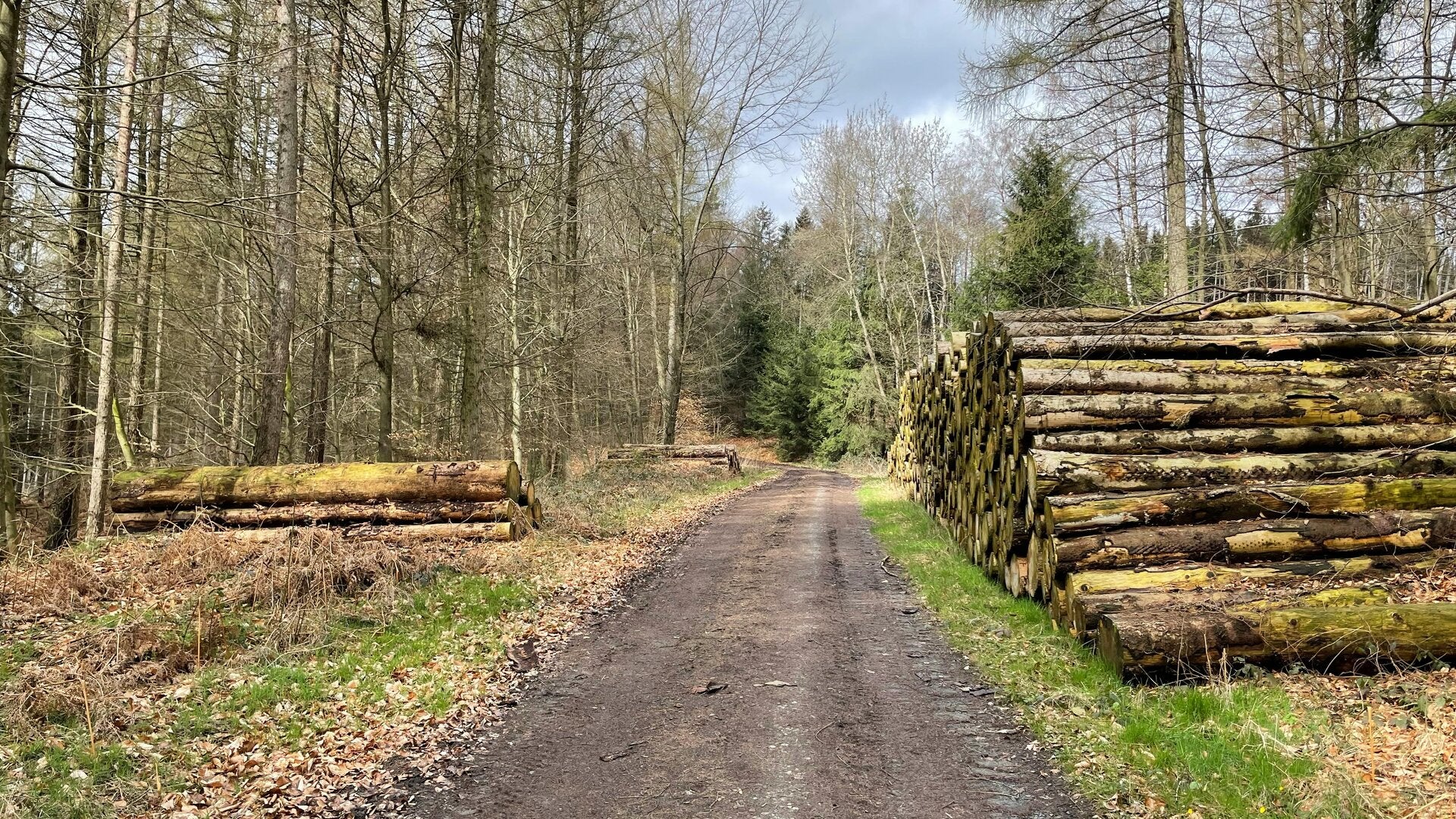
Mississippi provides some of America's cheapest timberland. Southern pine plantations sell for remarkably low per-acre prices while offering ongoing timber income potential. Hunting land opportunities abound at accessible price points.
Alabama presents similar opportunities with perhaps better overall accessibility. The state's timberland, hunting property, and rural residential options often price below neighboring states. Recent transplants from higher-cost states have discovered Alabama's value.
Tennessee divides distinctly between expensive middle Tennessee and affordable surrounding regions. East Tennessee mountains and west Tennessee farmland both offer reasonable prices compared to the Nashville corridor's premium values.
The Mountain West: Remote but Affordable
Wyoming offers affordable land for those comfortable with its climate and remoteness. Outside premium areas near Yellowstone and Jackson Hole, the state provides vast acreage at modest prices. Large ranches particularly offer value per acre.
Montana presents another tale of extremes. The western mountain regions command premium prices, but eastern Montana offers affordable prairie land. Those willing to embrace the plains rather than mountains find surprising value.
Nevada beyond Las Vegas and Reno provides remarkably cheap land. Desert acreage can sell for just hundreds of dollars per acre. However, water scarcity severely limits use—understand what you're buying before committing.
The Midwest: Productive Affordability
Missouri combines diverse geography with overall affordability. Ozark forests, northern prairie, and river bottom farmland all offer reasonable prices compared to regional alternatives. The state's central location adds practical value.
Michigan's Upper Peninsula remains remarkably affordable given its recreational potential. Forestland with hunting opportunities prices far below comparable properties in more accessible states. The trade-off is remote location and harsh winters.
Iowa's land prices have risen with agricultural values but remain accessible compared to development-pressured areas. The state's productive soils justify their prices through agricultural income potential.

Considerations Beyond Price
The cheapest land isn't always the best value. Consider what you'll actually do with property and whether cheap land can serve those purposes. Remote desert acreage won't work for farming; Arctic tundra won't support comfortable living.
Access and infrastructure matter enormously. Land without road access, even if titled to you, may prove impossible to use or improve. Verify access rights before purchasing any rural property, regardless of price.
Water availability often determines land utility. Western states particularly require careful water investigation. Even cheap land becomes expensive if you must drill deep wells or haul water for any use.
Property Tax Comparison
Annual property taxes significantly affect total ownership costs. Wyoming, South Dakota, and Texas offer favorable agricultural property tax treatment. Some states assess rural land at use value rather than market value, substantially reducing annual costs.
States with high property taxes may offset initial price advantages over time. Calculate projected ownership costs over your anticipated holding period to compare true affordability between different state options.
Finding Affordable Land
Affordable land exists in every state for those willing to search. Even expensive states have pockets of reasonable prices in less desirable or more remote areas. Flexibility on specific location dramatically expands affordable options.
Working with land professionals who know specific markets helps identify opportunities. Local knowledge reveals why certain properties price below market, helping distinguish genuine bargains from problem properties.
Whether buying affordable land or selling property you own, understanding land markets across states provides valuable context. Professional land acquisition services can help navigate these varied markets efficiently.
Ready to Sell Your Land or Explore Your Options?
Whether you're looking for a fair cash offer, need guidance on your land's potential, or want to explore your options, Lagunas Land Acquisitions is here to help. We specialize in land acquisition throughout the United States and offer competitive pricing with a hassle-free process.
Contact us today at LagunasLandAcquisitions.com for your best pricing and a no-obligation consultation. Let us help you unlock the value of your land!
Add comment
Comments