
The American Land Story: How Land Shaped Our Nation's Identity
No single element has shaped American culture, politics, and identity more profoundly than the land itself. From the earliest colonial settlements to today's debates over development and conservation, land has been central to the American experience. Understanding this cultural narrative illuminates not just history but the ongoing relationship Americans have with their landscape.
The Frontier Dream
The frontier ideal embedded itself deeply in American consciousness. Unlike Europe's settled landscapes, America seemed to offer unlimited land for those bold enough to claim it. This perception—ignoring Indigenous peoples' prior claims—shaped American values of independence, self-reliance, and opportunity.
The yeoman farmer became America's ideal citizen in the early republic. Thomas Jefferson envisioned a nation of independent small landholders, each family sustained by their own acres. Land ownership conferred not just economic security but moral standing and political voice.
Westward expansion fueled America's growth and mythology. Pioneers crossing prairies, settling valleys, and taming wilderness became central to national identity. The frontier represented possibility—a place where anyone could start fresh and build something new.
This frontier mythology had a dark side. Westward expansion came at enormous cost to Native American peoples whose lands were taken through treaty, war, and systematic displacement. The Trail of Tears, the destruction of the bison, and countless other tragedies accompanied the triumphalist frontier narrative.
Land as Liberty
Americans uniquely linked land ownership with freedom. In European societies, land ownership concentrated among nobility and gentry. In America, land theoretically available to all became synonymous with individual liberty and social mobility.
The Homestead Act embodied this democratic land ideal. By offering free land to any citizen willing to settle and improve it, the government expressed America's commitment to widespread property ownership. Over 270 million acres passed into private hands through this program.
Property rights became central to American constitutionalism. The Fifth Amendment's protection against taking property without just compensation reflected the founders' view of property as fundamental to liberty. This connection persists in contemporary political debates.
Yet land-as-liberty had exclusionary aspects. Enslaved people couldn't own land; their labor enriched others' landholdings. Women's property rights remained limited for generations. Discriminatory policies denied many Americans the land ownership that supposedly defined American opportunity.
The Agricultural Ideal
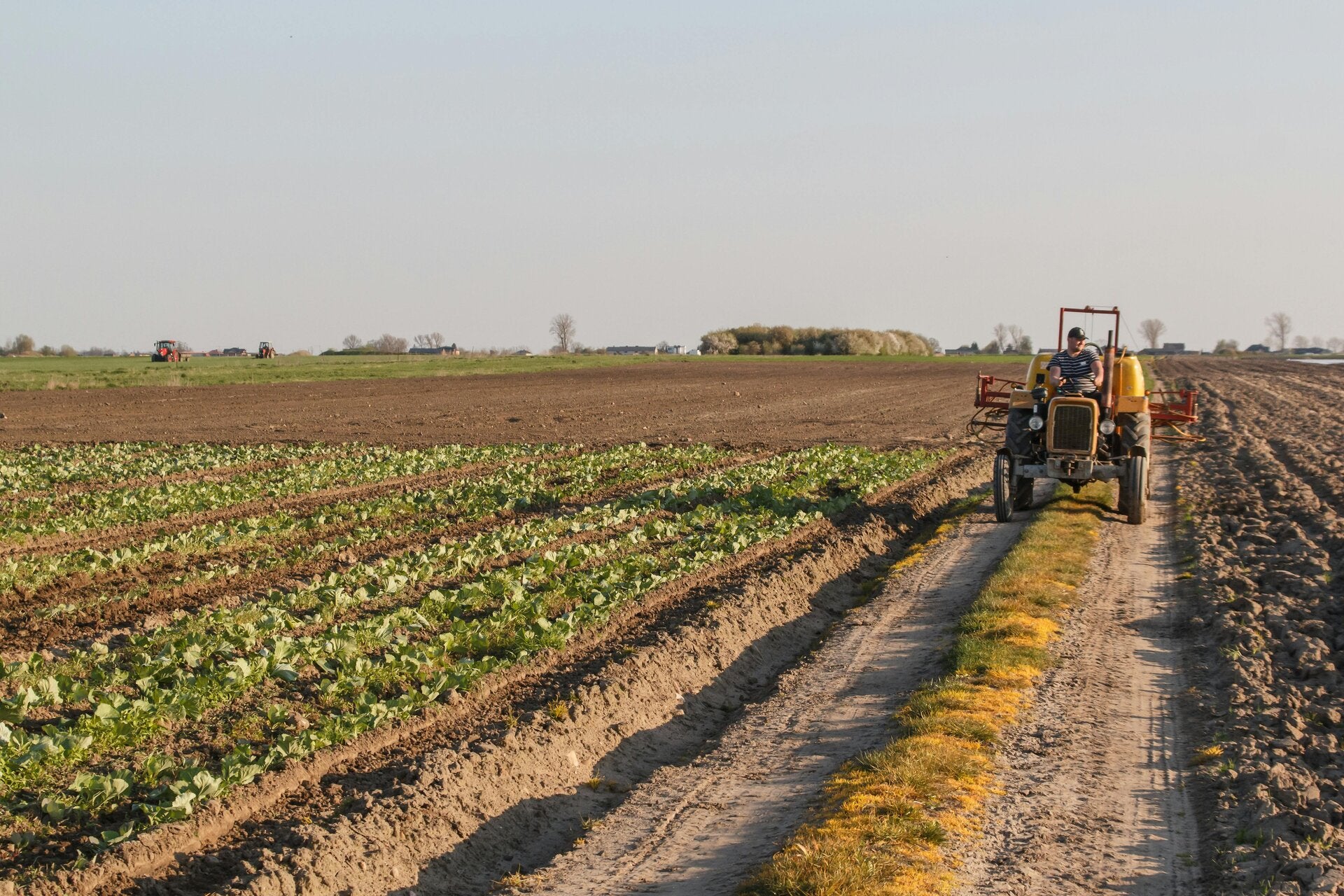
Agriculture long dominated American life and culture. Even as cities grew, farming retained cultural prestige as America's most fundamental occupation. The family farm became a powerful symbol of American values—hard work, independence, connection to land.
This agricultural ideal persists despite farming's diminished economic role. Less than 2% of Americans now farm, yet agricultural imagery pervades American culture. Farm-to-table movements, farmers markets, and rural romanticism all reflect ongoing attachment to agricultural ideals.
The Dust Bowl challenged agricultural optimism. The environmental disaster of the 1930s revealed limits to conquering nature through sheer effort. Millions of acres became worthless; hundreds of thousands of farmers lost everything. This trauma tempered American confidence in unlimited land exploitation.
Conservation and the Land Ethic
American attitudes toward land gradually incorporated conservation alongside exploitation. The late nineteenth century saw the first national parks, forest reserves, and wildlife refuges. Americans began seeing some lands as deserving permanent protection.
The conservation movement reflected changing relationships with land. As the frontier closed and wild places became scarce, their value shifted from resources to be exploited toward treasures to be preserved. Wilderness acquired spiritual and aesthetic importance.
Aldo Leopold articulated a "land ethic" that extended moral consideration to the land itself. His influential writings argued that humans should see themselves as citizens of the land community, not conquerors of it. This ecological perspective increasingly shapes American land attitudes.
Environmental regulations reflected changing values. The Clean Water Act, Endangered Species Act, and wetland protections all represent collective decisions to limit individual property rights in favor of broader ecological and social values. These laws remain contested.

Suburban Dreams
Post-World War II America invented a new land dream—the suburban home. Government policies promoting homeownership, highway construction, and suburban development reshaped American landscapes and aspirations. A house with a yard became the defining American Dream.
Suburban expansion transformed former farmland into residential developments at unprecedented scale. The landscapes that once produced food became landscapes of consumption. Americans traded productive acreage for private domestic spaces.
This suburban ideal has faced growing criticism. Concerns about sprawl, environmental impact, and car dependence have prompted reconsideration of development patterns. Yet the detached single-family home with its patch of land remains deeply embedded in American aspirations.
Modern Land Tensions
Contemporary America contains multiple, sometimes conflicting land values. Development pressures meet preservation desires. Property rights advocates contest environmental regulations. Urban growth challenges rural communities. These tensions reflect genuinely different visions of land's purpose.
Climate change introduces new urgency to land discussions. Questions about land use, carbon sequestration, renewable energy siting, and climate adaptation all involve fundamental choices about how Americans relate to their landscape.
Indigenous land rights have gained renewed attention. Recognition that American land narratives often erased Native peoples' prior claims and ongoing connections to land has prompted reconsideration. Some lands are being returned; others are being managed with Native input.
Your Place in the American Land Story
Every landowner participates in the American land story. Your acres connect to this broader narrative of settlement, use, and meaning. How you steward or develop or sell your land writes another chapter in this ongoing story.
Understanding land's cultural significance enriches ownership. Your property isn't just an economic asset but a piece of American landscape carrying historical connections and future possibilities. This perspective can inform decisions about your land's future.
Whether holding land for future generations, developing it for new uses, or selling to move on, you're making choices within this larger American land narrative. Professional land acquisition services can help you write your chapter wisely.
Ready to Sell Your Land or Explore Your Options?
Whether you're looking for a fair cash offer, need guidance on your land's potential, or want to explore your options, Lagunas Land Acquisitions is here to help. We specialize in land acquisition throughout the United States and offer competitive pricing with a hassle-free process.
Contact us today at LagunasLandAcquisitions.com for your best pricing and a no-obligation consultation. Let us help you unlock the value of your land!
Add comment
Comments